Search This Blog

Showing posts with label chiropractor. Show all posts

Monday, April 22, 2013

Benefits of Chiropractic Care During Pregnancy

Pregnancy should be a special time in a woman’s life filled with joy, happiness and great anticipation for the arrival of a precious son or daughter.  Pregnancy should not be a time battling illness, pain and discomfort.

The chiropractic care provided at Atlantic Chiropractic and Wellness Center provides many benefits to women and their unborn children during pregnancy.  We’ve played an integral part in the health care of hundreds of pregnant women.

Utilizing our safe and effective chiropractic care, nutritional guidance and exercise plans, we help mothers-to-be stay healthy, fit and comfortable during pregnancy and properly prepare them for a smooth and easy birth.

Contact us to schedule an appointment by calling (386) 492-4881!  
We can help you have a healthy and comfortable pregnancy too!

Keeping Spine and Nervous System Healthy During Pregnancy

During pregnancy, expectant mothers undergo dramatic physical changes within their bodies in preparation for carrying a child and giving birth. The spine is one of the primary areas where these changes are felt the most and where a majority of problems start as misalignments in your spine, also known as subluxations.
Healthy pregnancy
Our chiropractors are specially trained physicians who keep the spine and nervous system healthy and free from subluxations.
Most people don’t realize how the spine and nervous system control all parts of the human body. But your developing unborn child certainly does.
When a mother’s egg is fertilized and pregnancy begins, cells start to multiple and divide. The first things these cells create are the brain and spinal cord. From the spinal cord, little branches of nerves begin to spread outward. The combination of the brain, spinal cord and nerves becomes the central nervous system. Once the central nervous system is in place, “buds” will form at the end of nerves. These buds are the beginning of all the vital organs such as the heart, liver and kidneys.

The brain and central nervous system literally are the origin of life and control every cell within the body. These cells form tissue, tissue forms organs and organs form systems. Put all these systems together and a human body is created.
The human brain controls every microscopic cell within the body and the brain communicates with each of the millions of cells via the nervous system. This is how the brain delivers the necessary energy and instructions to every part of your body to make it function.

There are many situations where the energy sent by your brain through your nervous system becomes filtered and distorted. This interference is known as a subluxation.
Bones or joints may become misaligned and nerves can become irritated, pinched, stretched or compressed which all causes inference in the flow of energy from the brain. When this energy is distorted or blocked, a variety of symptoms will surface including pain.

As a baby starts to develop and continues to grow, an expectant mother is experiencing 9 months of increasing stress on her bones, muscles and joints which can create subluxations.
Our chiropractic care keeps mothers-to-be free from subluxations and the pain and discomfort that are caused by these subluxations.


Preventing Common Pregnancy Health Conditions


Pregnancy Back PainDue to the changes a woman’s body experiences, pregnancy is a time where health conditions can quickly develop. We help expectant mothers stay healthy so they avoid such common pregnancy conditions as the following:
Back Aches/Back Pain
Neck Pain
Headaches
Hip Pain
Indigestion/Heartburn
Insomnia
Constipation
Fatigue
And More...

Healthy Nutrition and Diet

As outlined above, a healthy spine and nervous system are essential elements of a pleasant, problem-free pregnancy. Another crucial part is proper diet and nutrition.
A mother and her unborn child are dependent upon receiving the correct nutrition for proper development. What mom chooses to eat during pregnancy has an impact on her child receiving the correct nutrition.
At Atlantic Chiropractic and Wellness Center, we provide our expectant mothers who are patients with important guidance on diet and nutrition during pregnancy so they can make the right food choices for themselves and their baby.

Proper Exercise

Another important element for a pleasant pregnancy is getting the correct amount of exercise.
We work with expectant mothers to develop a customized exercise program that keeps them fit, prepares them for birth and helps them continue to look great after giving birth.

Preparation for Birth

Chiropractic care provides numerous benefits to expectant mothers and increases their probability of having an enjoyable pregnancy. The advantages of following our chiropractic care during pregnancy culminate at the birth of the child.  Our chiropractic care prepares mom and baby for birth. Certain chiropractic techniques relieve stress on the pelvis and uterus which helps the unborn child properly turn and position for a healthy birth.

Webster Technique for Breech Births

Dr. Larry Webster, a chiropractor and founder of the International Chiropractic Pediatric Association developed the Webster Technique as a safe means to restore proper pelvic balance and function. It was developed to restore normal function of the mother and improve her comfort throughout pregnancy in preparation for a safer, easier birth.

Dr. Webster reported that in women who presented with a breech baby, the results of the adjustment appeared to normalize pelvic biomechanics and facilitate optimal fetal positioning.  As Dr. Webster taught other doctors of chiropractic this adjustment, they too reported positive changes in baby positioning.
At Atlantic Chiropractic and Wellness Center we have been utilizing the Webster Technique for many years and have seen the benefits of this technique for preventing breech births and facilitating safe and easy births for our patients.

For more information, please contact our office to see how we can help make your pregnancy a happier and healthier experience!   (386) 492-4881 or visit us on the web at www.atlanticchirofl.com!

Mighty Muscles!

We all have them, but most of the time we pay no attention to them, unless of course we pull them in some way or exercise them too much so they ache a bit! But muscles are essential for movement because:
• They convert energy into the motion, just as a car engine makes your car run.
• Basically, you couldn’t do anything without muscles. For example, muscles in your larynx, mouth and tongue help you to speak, skeletal muscles help you to walk, run, climb, exercise and dance – these are the muscles that control voluntary movements.
• Muscles also help control body movements that you generally never even think about – your breathing, heart beat, facial expressions, food digestion, eye movements, blinking and other involuntary movements.
 Our body has more than 650 muscles, making up more than 40% of our body weight.

Without muscles – you wouldn’t be able to live very long, that’s for sure. Humans have more than 650 muscles, which make up more than 40% of your body weight. Heavy stuff!
How do muscles move? Well, muscles are made up of cells that contract and then relax. These cells use energy from the food you eat to do this, so without food, and the nutrients it provides, your muscles would be too weak to perform as they should.
Can you hurt muscles? Sure, you can and you often hear people say they have “pulled” a muscle, meaning it has been torn, similar to breaking a bone. However, unlike most bones that have to be re-set, muscles are self-healing.
Some fun facts about muscles:
• It really does take more muscles to frown (12) than smile (10)!
• Your eye muscles move more than 100,000 times each day!
• The smallest muscle is in your ear – it’s called the stapedius.
One way to improve the way your muscles work is to exercise! Exercise makes your heart beat faster, sending more blood out to your muscles, giving them the vital oxygen and nutrients they need to work properly. And when you exercise, your digestive system slows down to conserve energy that your muscles need.
But don’t forget muscles only move when commanded by your nervous system—the focus of your chiropractic care. Which is one reason athletes and those who want to be their best seek regular chiropractic care.

For more information, please visit www.atlanticchirofl.com or call our office at (386) 492-4881

Thursday, April 11, 2013

Keeping Kids & Teens Active and Vital with Chiropractic Care

Chiropractors treat children and teenagers for a wide variety of health problems, from back and neck pain to posture imbalances to acute musculoskeletal injuries. Children and adolescents constitute a significant number of patients in chiropractic offices. Because of the family-oriented nature of many chiropractic clinics, chiropractors are in an excellent position to provide appropriate care throughout the lifespan, including during those formative years of childhood and adolescence. 

Back and neck pain are common health complaints among children and adolescents and recent studies have indicated that low back and neck pain is becoming increasingly common in children and adolescents, which suggests an increase in degenerative musculoskeletal conditions in future adults. 

Another study published in the journal Spine notes that the prevalence of low back pain increases sharply in the early teen years and that by the age of 18 (girls) and 20 (boys) over 50 percent experience at least one bout of low back pain. There is a clear role for chiropractic in reducing or preventing back and neck pain in children and teens through targeted treatment approaches and education about the importance of posture and other musculoskeletal health topics.

Atlantic Chiropractic and Wellness Center has experience treating children of all ages for pain-related issues resulting from lack of activity, over-activity leading to injury, poor posture or other musculoskeletal conditions.  If your child is complaining of headaches, back, neck, or other kinds of pain, make an appointment to see the doctors at Atlantic Chiropractic and Wellness Center so they can work with your child to keep him or her active and vital.

(386) 492-4881  or visit us on the web at www.atlanticchiorfl.com

Tuesday, April 2, 2013

Healing Chronic Shoulder Pain

As we get older, years and decades of mechanical stress may lead to deterioration of joints, ligaments, and tendons. This degenerative process, commonly known as arthritis, primarily affects weight-bearing joints such as the hips and knees and those found in the lumbar spine. The shoulder, too, is especially prone to undergo arthritic changes owing to its extreme mobility. The extensive range of motion at the shoulder is built-in to the design of this structure, but the tradeoff is instability. The design of the shoulder sacrifices stability for mobility.

Degenerative disorders of the shoulder typically involve the rotator cuff. This broad, flat structure is composed of the muscle-tendon units of the four rotator cuff muscles: the supraspinatus, infraspinatus, subscapularis, and teres minor. The thick covering of the rotator cuff surrounds the head of the arm bone and supports and strengthens the shoulder joint. But owing to the shoulder's inherent instability contrasted with its great mobility, the soft tissues of the rotator cuff undergo repetitive stress and strain. Ultimately, degenerative changes may occur, leading to the two prominent symptoms of pain and restricted range of motion.

An entire orthopedic sub-specialty focuses on treatment of chronic shoulder pain and includes long-term use of anti-inflammatory medication, corticosteroid injections when medications do not provide sufficient relief, and eventually surgery to repair tears in the various rotator cuff tendons. "Revision" surgery is commonly performed when the benefits of prior surgery are exhausted.1

The good news is that in many cases, a more optimal approach is available, one that utilizes the body's own natural recuperative powers. For many people, chronic shoulder pain can be reduced and chronic loss of mobility can be improved by engaging in specific activities and performing specific rehabilitative exercises. The goals of rehabilitation are to increase shoulder range of motion and build up shoulder strength. As these goals are accomplished, the likely result is reduction of intensity and frequency of occurrence of shoulder pain.

Engaging in an overall strength training program is an important general approach to managing chronic shoulder pain.2,3 Strength training should be done progressively, starting with light weights and building up over time. Exercises specific to the shoulder include seated dumbbell or barbell presses, dumbbell or cable lateral raises, seated bent-over rows, and internal and external rotation exercises done with very light dumbbells on a flat bench. If one has experienced an acute shoulder injury, early rehabilitation should precede rehabilitative strength training. Early rehabilitation includes pendulum exercises and finger-walking up a wall in both forward-facing and side positions.

Your chiropractor is experienced in injury rehabilitation and will be able to help you design an effective flexibility and strengthening program for improved shoulder function.
 
 Chronic injuries require specific rehabilitation and a long-term approach. Patience is required and it is important to recall that the problem has developed over the course of years and will not be fixed in a matter of weeks or months. Progress should be obtained in the short-term, but such situations usually require consistent, ongoing attention to achieve a long-term solution.

Performing the appropriate rehabilitative activities is critically important and chiropractic care can be of great assistance in getting the most out of your exercise program. Regular chiropractic care improves the mobility of your spinal column and removes nerve interference which may cause tight, inflamed muscles. The result is a body that is optimized for good health and full function. By enabling maximum spinal mobility and maximum function of your nerve system, regular chiropractic care helps maximize your body's ability to recover from chronic injury.

Please let us know if we can help you improve your health in any way!

(386) 492-4881 or reach us on the web at www.AtlanticChiroFL.com

1Keener JD: Revision rotator cuff repair. Clin Sports Med 31(4):713-725, 2012
2Lewis JS: A specific exercise program for patients with subacromial impingement syndrome can improve function and reduce the need for surgery. J Physiother 58(2):127, 2012
3Andersen LL, et al: Effectiveness of small daily amounts of progressive resistance training for frequent neck/shoulder pain: randomised controlled trial. Pain 152(2):440-446, 2011

What's Your Tuba Player?

Your brain and nervous system is the conductor that orchestrates the workings of your entire body. With clear communication, the beautiful music we know as “life” is produced.

But many people have a problem with their tuba player! For some the tuba player could be their thyroid. Or their gall bladder. Or their stomach. Or their lower back. Or whatever.

Their tuba player can’t see the conductor! That causes one of two things. Sometimes the tuba player just sits quietly. Other times, the tuba player goes overboard.

The medical approach would be to surgically remove or chemically suppress the tuba player. The chiropractic approach is to restore the connection between the tuba player and the conductor. Naturally, that involves locating and correcting interference to the controlling commands that travel over the nervous system.

Chiropractic care can bring harmony to your music of life! Call us, and let us help you orchestrate the health and wellness you deserve!

(386) 492-4881 or reach us on the web at www.atlanticchirofl.com or give us a +1 on our Google Plus page!!!

Wanting More From Your Care?

Are you a less or more person?What are you hoping to get from your chiropractic care? Less pain? Less tightness? Or more health? More movement? Or more life?


Many people begin care because they have an ache or a pain they want to silence. In other words, they start out wanting less. As they learn what chiropractic care is (and what it isn’t) they discover it could offer more. More of what they really want. Participating in that discovery is one of the greatest joys of our practice.

Some don’t see the implication between a proactive (more) and a reactive (less) approach to their health. Instead, they prefer to come in only when they have obvious symptoms. No worries. We love them just as much. Everyone shows up at a different place on this journey of self discovery. We’re merely here to serve, whether they want less or more.

Please call us if you have any questions, or have a person in mind you would like to refer to our office!
(386) 492-4881 or on our website at www.atlanticchirofl.com

Monday, March 25, 2013

What Exactly Is Whiplash?

When you think of whiplash, most people immediately think “car accident.” But a fall or many types of repetitive movement may also cause whiplash. Sometimes the symptoms from whiplash take days or even weeks to manifest themselves, but the damage it causes can last for years.

What exactly is whiplash? It’s a condition in which the joints in the back of the neck, joints that usually slide easily over one another, are forced together, causing damage to the nerves, discs, ligaments and muscles all around them.

The symptoms? Generally, these include headaches, dizziness, neck and arm pain, decreased attention span, an inability to focus and fatigue. These symptoms can be both very painful and downright debilitating to the whiplash sufferer.

It helps to come into our practice immediately for a thorough examination if you have been involved in an accident and suspect that you might be the victim of a whiplash injury. The earlier you establish the proper intervention, via chiropractic adjustments, the better your chances for a full recovery.

Of course, chiropractic adjustments also help older whiplash injuries, but recovery is usually slower and care during the acute phase generally takes longer.

We manage whiplash injuries with careful and precise neck adjustments, sometimes ice and rehabilitative exercises that are designed to address the injured neck and shoulder muscles and joints. This has been shown to be very effective in managing the symptoms of whiplash, particularly the headaches that often accompany this type of injury.

Visit www.atlanticchirofl.com for more info!

Spinal Curves, What Do They Mean?

Back pain and sciatica imagesWhen you think of your spine, do you think of a straight row of bones that go from the bottom of your brain to the bottom of your back? In reality, the spine is made up of four different curves that provide balance and flexibility to your body and help prevent injury. These curves also allow the spine to support 10 times more weight than it could if the curves were missing! You can more easily see these curves when you view a model of the spine from a side view.
The four types of spinal curves are:
Cervical Lordosis – A backward “C”-shaped curve located in the upper part of the spine. This curve helps to keep your head from moving too far forward. Neck pain usually results when there is any type of significant loss to this curve.
• Thoracic Kyphosis – The “C”-shaped curve of the upper and mid back, comprised of 12 vertebrae
• Lumbar Lordosis – The five vertebrae of the lower back that are also in the shape of a backward “C.” This area of the spine faces backward when seen from the side.
• Sacral Kyphosis – The sacrum is a triangular-shaped bone at the base of the spine, between both hip bones. It is also a “C”-shaped curve.
As a pre-born baby develops, it has only one type of spinal curve, the kyphotic “C”- shaped curve. As an infant’s motor skills begin to develop, the baby learns to hold its head up, sit, crawl, stand up and walk – all causing significant muscle development and allowing more weight to be shifted to the spine. This also begins the development of the additional spinal curves.

It is important that these curves be properly maintained to balance your body and to avoid pain and injury. Proper lifting requires that you bend at the knees, instead of at the waist, to keep your spine from straightening.

Of course, regular chiropractic check ups and adjustments help to maintain your proper spinal curves. In addition, there are specific products, such as cervical pillows, that also help to keep spinal curves in place and keep you out of pain! Call our office for an appointment today!  (386) 492-4881 or www.atlanticchirofl.com

What Color Should Pee Be?

The normal color of urine is a straw-colored, pale yellow. But what does it mean if you experience urine that’s a different color? There are many reasons for changes in urine color – illness, certain foods, supplements, dehydration –all may cause changes in the urine color.


Some reasons for changes in the color of your urine include:


• Red Urine – May be a sign of blood in the urine (requires further investigation as to the cause which may be one of many), eating certain foods, beets, blackberries, food dyes, medications, or a urinary tract infection.

Green Urine – May be caused by eating asparagus or other foods and by artificial coloring in medications or food.

Orange Urine – May be caused by eating rhubarb, laxatives with Senna, bile in urine or dehydration.

• Cloudy Urine – May be caused by a bladder infection, certain kidney conditions, different types of food or drinks, normal vaginal secretions or an abnormal vaginal discharge, kidney stones or prostatitis.

Blue Urine – Generally results from artificial coloring in foods or medications.

Purple Urine – Indicates urine from alien or extraterrestrial origin. (Just joking!)

 • Clear Urine – Often the result of proper hydration and good health.

Whenever you experience urine of a different color that gives you cause for concern, and you are certain that it is not related to eating a particular food or taking medication that is artificially colored, you should seek the counsel of a health care professional to rule out any serious condition or illness that may require further treatment.

In the meantime, be sure to drink plenty of water. Water “flushes” impurities out of your system and keeps your “motor” running! Regular visits to our practice also keep your immune system operating at peak capacity to help you fight off many of the causes of disease.

www.AtlanticChiroFL.com

Tuesday, March 19, 2013

Don't Fear The Fever!

Most people automatically think that a fever is something bad that should be lowered as quickly as possible.
Not so fast!

It's important to remember that by itself a fever isn't an illness. It's usually a symptom of some underlying problem. Often, it's a natural way the body responds to fight viral and bacterial infections. Rushing in to artificially lower the body's temperature can actually serve to lengthen the time it takes the body to do the needed work.

Most fevers are usually not cause for concern until they reach a temperature of 104° F (40° C) and only then if the fever lasts for three days or longer.  That said, it doesn't mean you should ignore a fever and take a cavalier attitude. A fever means the body is in a battle and has "set the thermostat a bit higher," using temperature to help subdue the enemy. Careful you don't throw open the doors and windows and force it to work even harder. More helpful would be a chiropractic adjustment or two!

Call us today, and let us help you feel the best you have ever felt!
(386) 492-4881
www.atlanticchirofl.com

Monday, March 18, 2013

That Spare Tire Around Your Middle Can Be Hazardous to Your Health!

Pot belly. Spare tire. The middle age spread. These are just a few of the endearing names bestowed to the extra layer of fat that accumulates around the abdomen. But aside from the amusing nicknames, this type of fat is a serious danger. Unlike fat that appears on other parts of your body, belly fat increases your risk for cardiovascular disease, diabetes, metabolic syndrome, sleep apnea and some types of cancer.

Subcutaneous fat is the jiggly fat that rests between your skin and abdominal wall. Visceral fat is the next layer and surrounds your internal organs. Visceral fat is biologically active. It produces an excess of hormones, which increase the risk of insulin resistance - a key factor in type 2 diabetes. This hormonal imbalance puts women at higher risk of breast cancer. And visceral fat boosts inflammation throughout your body. Your chiropractor can tell you how inflammation is closely tied to numerous diseases and health conditions.

Why does belly fat affect so many people? Genetics play a role, so you may see the problem from one generation of a family to the next. Hormone fluctuations in the body can increase fat. After menopause, hormonal changes in women cause fat to gather more in the belly than hips or legs. As you age you lose muscle mass and your metabolism slows, which makes it easier to acquire fat in the abdominal area.

Poor dietary habits and lack of physical activity are also big contributors to this problem. Our increasingly sedentary ways have unleashed an explosion of obesity across North America and other industrialized areas of the world. Our love of unhealthy fatty foods and refined carbohydrates has made it all too easy to surge the waistline well past the appropriate size.

What to do?  In our next issue we will look at ways to combat this through diet and exercise. In the meantime, talk to your Chiropractor about things you can start doing today!
(386) 492-4881

Wednesday, March 13, 2013

Your Personal Health Insurance Policy

Everyone is aware of the extremely high cost of most health care services. These costs can be measured not only in cash outlays, but also in time spent at a doctor's office. Waiting times can often be an hour or more for a comprehensive physical examination at a family physician's or internist's office. If you have a problem that requires same-day attention, the waiting time at a local hospital emergency room is open-ended and can easily range into several hours or more.

Those fortunate enough to have health insurance are able to buffer some of the monetary expenses. But even with an individual or family health insurance policy, annual out-of-pocket costs continue to rise steeply as monthly premiums, co-payments, and deductibles increase substantially year-over-year. For example, during the past five years monthly premiums for many policies have increased 15% or more annually. This means that monthly payments in 2013 would be approximately double those paid in 2008. Twice the cost for the same coverage. That's a tough situation. Of course, the fees don't stop at the monthly premium. Many policies have deductibles in the range of $5000 or more.

Thus, if we want to enjoy good financial health as well as good physical health, we might consider getting a "personal" health insurance policy. Such a "policy" requires more effort than that involved in writing a check. Your personal health insurance policy involves taking action in the two main lifestyle areas of diet/nutrition and exercise. A third lifestyle area, often ignored, involves personal well-being. This area includes building increasingly positive family relationships and friendships and developing a broader set of interests beyond one's favorite television stations and websites.
 
It is now well-established that lifestyle matters greatly to one's long-term health and well-being.1,2 Numerous studies have shown that one in three Americans have one or more chronic diseases - diabetes, heart disease, and cancer. The personal and family costs, the financial costs, and the costs to society of chronic disease are high. By establishing habits of good nutrition, regular vigorous exercise, and rewarding relationships and activities, we help prevent these major health problems.3 By engaging in healthy lifestyles, we are taking action that will reap many rewards for ourselves and our families down the years.

The only requirement to begin receiving the benefits of improved health is the willingness to get started. Even if you haven't done any regular exercise for many years, or if you can't remember the last time you ate a serving of broccoli, fennel, or kale, you can still start the journey to better health today. And if you begin, it's very possible that you'll look back after 12 months, 6 months, or even 3 months and be very glad you did.
 
 Chiropractic Care and Your Personal Health Insurance Policy

When we talk about lifestyle and good health, we usually only consider exercise and nutrition. A third area - rewarding and fulfilling relationships and interests - may be added as an afterthought. But a fourth area - chiropractic care - is in fact the key to gaining the benefits from all the other lifestyle areas and activities.
Chiropractic care focuses on how your body is doing its job. This "job" is to link harmoniously all the various separate physiological activities - to make sure all your body's systems are working well together. The responsibility for this harmony lies with the nerve system, the master system that ties together the functioning of your heart and lungs, your stomach and other digestive organs, your endocrine system, and your immune system. By identifying and correcting misalignments in the spinal column, chiropractic care helps ensure that your nerve system is functioning optimally. When your nerve system is doing its job, the rest of your body has the opportunity to produce the maximum health available. As a result, chiropractic care helps you get the most out of all your other activities and helps you gain and retain good health.

1Thorgeirsson T, Kawachi I: Behavioral Economics: Merging Psychology and Economics for Lifestyle Interventions. Am J Prev Med 44(2):185-189, 2013
2Anderson AS, et al: Promoting changes in diet and physical activity in breast and colorectal cancer screening settings- an unexplored opportunity for endorsing healthy behaviours. Cancer Prev Res 2013 Jan 16 (Epub ahead of print)
3Mitra A, et al: Mechanistic studies of lifestyle interventions in type 2 diabetes. World J Diabetes 3(12):201-207, 2012

Atlantic Chiropractic and Wellness Center is dedicated to helping you achieve your wellness objectives.

Click here or call us at 386-492-4881 today!
www.atlanticchirofl.com

Monday, March 11, 2013

Don't Worry...Be Healthy!

Ever woken up in the middle of the night wondering how you were going to pay the bills? Then you know that a car payment or the electric bill can affect your health!
There are three types of stress: physical, emotional and chemical. Financial worries (and other anxieties) fall into the emotional stress category. And chiropractic can be helpful.


All three types of stress affect your nervous system. Like a chain that breaks at its weakest link, stress tends to show up where we are most vulnerable. Our neck. Our low back. Tightness between our shoulders. Stress can increase the frequency of headaches and compromise our ability to get enough restful sleep.


Chiropractic care, with its purpose of reducing neurological stress, can be helpful. Of course chiropractic care can't eliminate stress, but it can improve your ability to tolerate it. Regular chiropractic care now could be a wise investment for a healthier, happier and financially secure you!

Give us a call, and let us help you take that first step on the road to wellness!!!
 (386) 492-4881
www.atlanticchirofl.com

Monday, February 4, 2013

The Problem With Stress!

We live in stressful times. The economy is tough, global conflicts rage, severe weather events are affecting people in every corner of the globe, and our numerous technological devices don't seem to be making things any easier. Of course, this is nothing new. Every generation thinks theirs is the best of times and the worst of times. But the result is that people everywhere have high levels of stress.


Sometimes stress is a good thing. Mechanical stress, such as exercise, causes your muscles and bones to become stronger and your nerve system to become smarter. Taking on a new assignment at work or taking a challenging class in school may be stressful, but the effort involved in achieving a successful result will cause you to grow and develop in ways that you might not have imagined. After all, the great philosopher Friedrich Nietzsche famously said "what doesn't kill you makes you stronger."

But chronic, ongoing physical and mental stress, the kind that affects us every day, is not good for us. Chronic stress causes real psychological and physical problems. People undergoing chronic stress may develop anxiety, which if not managed effectively may lead to depression. Chronic stress may lead to a variety of disorders and diseases, including arthritis, inflammatory conditions such as Crohn's disease, gastrointestinal problems such as peptic ulcer, diabetes,1 high blood pressure,2 and even heart attacks and stroke.3 As we are all subject to numerous stresses every day, both personal and work-related, it's very important for us to develop strategies that will be successful in helping us manage ongoing stresses.

The most important method for managing stress is to attempt to focus your point-of-view, your frame of reference, on the present moment. Our minds are constantly in motion, constantly at work creating new thoughts and new scenarios regarding some potentially stressful situation, or rehashing old conversations, old conflicts, and old problems. The result is that we're almost never at peace. When we try to sit down and relax for a bit, it's never too long before our minds start bringing up the exact things we'd like to be able to forget or ignore, at least for a little while. Most of us can't flip a metaphorical switch and shut off our incessant stream of mostly negative self-talk. But we can learn to remind ourselves to return to the present, to come back to this moment, the one that's happening now.

The best way to do this is to ask yourself, "is this [what I'm thinking about] happening right now?" If you can see that what's happening now is that you're sitting in a chair reading the newspaper, you have a good chance of being able to let go of what your mind is talking to you about. Say to yourself, "I'm right here, right now, and none of that other stuff is actually happening right now." This will help you create some distance from your self-talk, and the self-talk may even recede into the background for a while. The feeling of calm you might then experience is one you can build on. The more you practice returning to the moment, the more power you gain in being able to manage the stress in your life.
 
 Our office uses various techniques and methods to restore proper spinal alignment. The direct result is improved functioning of your nerve system, which directly improves the functioning of all your other body systems.

One of the structural problems addressed by chiropractic care is a "facilitated segment." This is a section of your spinal cord that is being bombarded by too many nerve signals. These nerve signals arrive at the wrong times and in too great a quantity. Physical pain and other diseases and disorders can develop as a result of a facilitated segment.

Stress makes facilitated segments (and their effects) worse. By aligning your spine, we can help reduce and resolve these irritated segments of your spinal cord. As a result, the stresses in your life have less physiological impact. You become better able to interact with people and situations, and become better able to manage stress.

Look for our upcoming Wellness Workshop on Stress Management to learn strategies for better dealing with stress.

www.atlanticchirofl.com

1Bener A, et al: Association between psychological distress and gastrointestinal symptoms in diabetes mellitus. World J Diabetes 3(6):123-129, 2012
2van Dijk, AE, et al: The association between prenatal psychosocial stress and blood pressure in the child at age 5-7 years. PLoS One 7(8):e43548, 2012
3Pereira VH, et al: Stressed brain, diseased heart: A review on the pathophysiologic mechanisms of neurocardiology. Int J Cardiol 2012 Apr 20 [Epub ahead of print]
 
chiropractic, health, wellness, nutrition, stress, pain, alignment, problems, stress management, nerve, spinal cord, spine

Tuesday, January 15, 2013

Causes and Treatment Options for Muscle Cramps

A muscle cramp can bring a jogger to his knees or elicit the fear of drowning in a swimmer; however, athletes are not the only individuals to experience a muscle cramp or spasm. According to one estimate, approximately 95 percent of people will at some time in life experience the sudden, sharp pain associated with a muscle cramp.

A muscle spasm is an involuntary contraction of a muscle, part of a muscle, or several muscles that usually act together. If the spasm is forceful and sustained, it becomes a cramp. Most people describe a muscle cramp as a feeling of tightness in the muscle; it’s not unusual to feel a lump of hard muscle tissue underneath the skin in the vicinity of the cramp. During a spasm or cramp, it may be painful, or even difficult, to use the affected muscle or muscle group.

Cramps and spasms can affect any muscle, even those affiliated with the body’s various organs; however, they are most common in the calves, hamstrings, and quadriceps. Cramps in the feet, hands, arms, and lower back occur frequently, as well.

Many possible causes
Common as they are and painful as they can be, a shroud of mystery surrounds the cause of muscle spasms and cramps. Some researchers believe that inadequate stretching and muscle fatigue lead to cramps. According to the University of Michigan, other possible factors include a low level of fitness, overexertion (especially in intense heat), stress, and depletion of electrolytes through excess sweating or dehydration. Certain diuretic medications can also cause cramping due to a loss of sodium, potassium, and magnesium.

Treatment of muscle spasms
Typically, muscle cramps require no treatment other than patience and stretching; medicines are not generally needed to treat an ordinary muscle cramp. Gentle and gradual stretching, along with massage, may ease the pain and hasten recovery.

When a muscle spasm or cramp is the result of an injury, applying ice packs for the first two to three days may help alleviate the pain. Spasms that last a long time may be treated with moist heat for 20 minutes several times a day.

If you tend to get muscle cramps during exercise, make sure you drink enough fluids, and, after your workout, consider a warm Epsom salt bath followed by stretching of the affected muscles. Generally speaking, water is sufficient for rehydration; however, some may find a sports drink or juice beneficial as a means to restore their body’s electrolyte balance.

If your muscle cramps are associated with a specific medical condition, keep in mind that you need to address the underlying health problem for the cramps to subside.

Tips for Prevention
As with any health condition, it is always best to prevent muscle cramps or spasms—especially if you tend to develop them. Consider altering your diet and lifestyle by incorporating the following suggestions:
  • Take steps to improve your diet. Eliminate sugar and caffeine from the diet, and increase consumption of fiber and protein. In addition, remember to eat plenty of calcium- and magnesium- rich foods, such as green leafy vegetables, yogurt, legumes, whole grains, tofu, and Brazil nuts. High-potassium foods, including bananas, avocados, lima beans, and fish, may also be helpful.
  • Before and after you exercise, stretch muscle groups that tend to cramp.
  • Incorporate strengthening exercises into your fitness routine.
  • Avoid dehydration. To prevent dehydration, consume plenty of fluids and foods high in water such as fruits and vegetables.
  • Avoid excess sodium and soda (high in phosphoric acid), as they can leach calcium.
  • Avoid chocolate, caffeine, and alcohol, which can interfere with magnesium absorption.
  • Improve your posture. For example, you may have mid-back spasms after sitting at a computer desk for too long in an awkward position.
Vitamin E has been said to help minimize cramp occurrence. Although scientific studies documenting this effect are lacking, anecdotal reports are common and fairly enthusiastic. Since vitamin E is thought to have other beneficial health effects and is not toxic in usual doses, taking 400 units of vitamin E daily could be considered.

Discuss with your doctor of chiropractic if your cramps are severe, happen frequently, respond poorly to simple treatments, or are not related to obvious causes like strenuous exercise. These could indicate a possible problem with circulation, nerves, metabolism, hormones, medications, and/or nutrition.

If you have any questions on this or any other condition, please contact our office at (386) 492-4881, and please visit our website at www.atlanticchirofl.com!

Friday, November 16, 2012

Avoid Holiday Weight Gain

 
The holidays can be a tricky time if you want to avoid holiday weight gain. There are so many tempting treats, you need to be proactive to stick to good eating habits.   That means having a battle plan:


At work, where the parade of chocolate, cakes and cookies seems endless, tell yourself: “If I’m going to eat something, it really needs to be fabulous and worth the splurge.” “Flavanol-rich dark chocolate is one of the healthier choices," says Jamieson-Petonic. "Research shows it may help to control blood pressure and protect the heart."

Before the party: “When you're hungry and your blood sugar is low, you start to crave foods that are carb-rich and fatty, which can contribute to weight gain. A good defense is to have a small snack of carbs and protein before leaving home. Try apple slices with a tablespoon of peanut butter, or a few crackers with low-fat cheese.”
 
At the appetizer table, be conservative: “Avoid anything deep-fried, creamy or saucy, since these foods tend to be loaded with fat and calories; for example, cheese balls, pigs in a blanket and mini quiches. Opt for appetizers that appear closer to their natural state, such as veggies with herbs, shrimp cocktail, fresh fruit, grilled chicken skewers with a sweet and sour sauce, which is lower in fat and calories than a cream sauce, and grilled shrimp with cocktail sauce.”

At mealtime, choose an entrée you really want, and savor a small portion of it. Another tip: Instead of a large dinner plate, use a small, appetizer-size one (shoot for a diameter of six inches) to control your portions. Fill half of the plate with fruits and veggies, a quarter with protein, such as fish, poultry or meat, and a quarter with carbs, such as brown rice or whole grain pasta.

For dessert, put a small bit of cake or pie in a wine glass; if the dessert has a crust (for example, pumpkin pie), leave the crust behind. Not only will your dessert look pretty, you’ll cut down on your portion size and the calories you consume. It also helps to cut back on your calories and fat earlier in the day, so you can enjoy dessert now.
Along with the holiday eating, engage in plenty of physical activities to burn off extra calories: make a snowman with the kids, go out caroling, play a game of table tennis, dance and volunteer. If possible, walk to your holiday parties.

Finally, remember the real joy of the season is spending time with friends and family, not food. When you focus on your loved ones, you’ll be happier, not plumper!

Tuesday, October 9, 2012

Kidney Damage from Pain Relievers?

Careful! Even aspirin has a dangerous side effect!While the unintended deaths from high profile prescription drugs continue to make front-page news, there may be a far more dangerous drug problem lurking in your medicine cabinet.


Every day, millions of people take an NSAID (non-steroidal anti-inflammatory drug) for quick, easy pain relief. Because these drugs are easily accessible, there is a dangerous misperception that they are risk-free. Problems can range from mild stomach upset to stomach bleeding and ulcers. This is because NSAIDs prevent prostaglandins from doing their job of protecting the lining of your stomach. NSAIDs also prevent the body's ability to stop bleeding.


Pain medications such as aspirin, ibuprofen and naproxen are the leading cause of stomach ulcers and may cause side effects including stomach bleeding, which can be life threatening.


Prostaglandins are also essential for the proper function of your kidneys. The elderly are especially susceptible to kidney damage from NSAID use. A recent study of 114 elderly men and women who had just begun taking ibuprofen, a popular NSAID, showed that 13% were experiencing reduced kidney function. When taken in high doses, NSAIDs can permanently damage your kidneys.


Before relying on a drug, stop in for a chiropractic adjustment. Side effects include improved energy, increased vitality and enhanced well-being!  Call us today, we can help!

Tuesday, July 24, 2012

Chiropractic Proven to Help Debilitating Migraines


In the U.S., 30 million people suffer from debilitating migraines. Millions of these people also take over-the-counter and prescription painkillers for relief. Not only do these drugs have dangerous side effects, they do not address the root cause of the problem. However, several studies show that Chiropractic can reduce the frequency, duration and severity of migraines, and, sometimes, eliminate them completely.
The effects migraines have on one’s quality of life and productivity are astonishing: 91 percent of migraine sufferers can’t function normally during a migraine 70 percent have trouble with relationships because of migraines 59 percent miss family or social events due to migraines 51 percent say that migraines cut their work or school productivity in half 24 percent have had such severe pain they’ve gone to emergency rooms 25 percent have at least one migraine every week

To make matters worse, nearly 50 percent of migraine sufferers think they have something else wrong with them – tension headaches, sinus headaches, and so on. Consequently, they are never correctly diagnosed and never get the right treatment.

What can you do about migraines other than rest in bed or take drugs? According to several studies, you can visit your chiropractor.

One such study, a clinical trial conducted by chiropractor Dr. Peter Tuchin at Australia’s Macquarie University, worked with 123 migraine sufferers for six months. The participants had suffered from migraines for an average of 18 years. For two of the trial months, they received Chiropractic treatment. As a result of the treatment, seventy-two percent of the participants experienced either 'substantial' or 'noticeable' improvement.

Another trial found that the number of migraine attacks dropped by 90 percent for 22 percent of the participants. Nearly 50 percent of those involved in the trial also said that the pain of their migraines was significantly reduced.

Also, according to a review of 22 studies involving more than 2,600 patients with migraines, Chiropractic treatment is also a successful method of prevention.

If you or anyone you know is suffering from migraines, or other types of headaches that may have been misdiagnosed, consult your chiropractor to see how he or she can help you.

Sources: Migraine.com - http://migraine.com/migraine-statistics/, and
http://migraine.com/complimentary-and-alternative-therapies/chiropractic...
Medical News - http://www.news-medical.net/news/2005/05/22/10268.aspx;
Singer Health Reports - http://www.singerhealthreports.com

Thursday, May 24, 2012

What's Wrong With My Back?

what_is_wrong_with_my_back_200.jpgNot all back problems are created equal. One person may have been working on a home improvement project and injured her back while simultaneously bending and twisting. Another person may have developed back pain as a result of a vehicular collision. Another person may be experiencing back pain as a result of osteoporosis. Yet another person may have a serious illness which causes back pain as a related problem.

Back pain is a problem common to many types of injuries and illnesses. How can you tell the difference - in other words, how can you tell when back pain requires you to take action, such as seeing your chiropractor? A reasonable approach is to use a 48-hour guideline. Your body usually has a powerful ability to heal itself. If your back pain hasn't gone away on its own within 48 hours, then seeking professional assistance is a very good plan.

However, some situations require immediate attention. For example, if you've had an accident, seeing your chiropractor right away is probably the right thing to do. In another scenario, if you begin to experience severe pain without an obvious cause, then seeing your chiropractor right away makes a great deal of sense. Like many things in life, having physical pain requires us to use good judgment. The 48-hour rule-of-thumb applies to most situations, but if you've had an accident or are having an unusual problem, see your chiropractor as soon as possible, today if necessary.

When a person has back pain, it's very important to make sure there are no related problems. Most of the time there aren't, but no one wants to be the exception and it's always better to be safe than sorry. Making your own diagnosis is never a good idea. "Oh, that's been bothering me for months," some people will say. "It's just back pain." Of course, such an approach to one's health violates the 48-hour rule. If the problem really wasn't anything much, it would have gone away within a few days. Something else is going on, and usually the longer a physical problem is left untreated the more difficult it is to deal with. The old expression, "an ounce of prevention is worth a pound of cure" is as true today as it was 100 years ago.

Your chiropractor is an expert in back pain. They know that physical pain happens for a reason.1,2 Their job is to discover that reason, using the tools of history taking, physical examination, biomechanical analysis, and special tests, if necessary, such as x-rays and other imaging methods. Most of the time, the underlying problem is mechanical in nature, involving the spinal joints and associated soft tissues, including the ligaments, muscles, and tendons. Such mechanical problems cause the vast majority of cases of back pain, and are directly addressed by chiropractic care.3 In unusual circumstances, your chiropractor will refer you to another specialist. The important approach in all situations is to seek appropriate care. Your chiropractor's office is the right place to start.
 
Most people now know the importance of exercise in daily life. The benefits of exercise range from improved strength, balance, and agility to deeper, more restful sleep, improved outlook on life, and heightened levels of creativity. Of course, there's also an additional direct benefit for persons with back pain.
Most cases of back pain are biomechanical in nature. In these circumstances, spinal joints have lost some mobility and spinal muscles have become tight. The long-term result is back pain, which may be mild, moderate, or severe, depending on the extent of the biomechanical dysfunction. Chiropractic care is the specific treatment for problems involving the spinal joints and muscles. Exercise is an important addition to chiropractic care. When you perform challenging activities throughout a full range of motion, as you do when you exercise, you're retraining the joints and muscles of your back. By engaging in such activities on a regular basis, you're helping to restore spinal strength and mobility, enhancing the benefits you're receiving from chiropractic care.

Your chiropractor is an expert in rehabilitative exercise and will be glad to design an exercise program that will work for you.

1Bakker EW, et al: Spinal mechanical load as a risk factor for low back pain: a systematic review of prospective cohort studies. Spine 34(8):E281-E293, 2009
2Shambrook J, et al: Clinical presentation of low back pain and association with risk factors according to findings on magnetic resonance imaging. Pain 157(7):1659-1665, 2011
3Wilder DG, et al: Effect of spinal manipulation on sensorimotor functions in back pain patients: study protocol for a randomised controlled trial. Trials 12:161, 2011

Tuesday, March 20, 2012

What is Degenerative Disc Disease?

Degenerative disc diseaseDegenerative Disc Disease or Degenerative Disc Disorder of the Spine is not technically a disease but rather a condition that describes changes to the spinal discs located between the 33 vertebrae of your spine. Spinal discs change naturally as we age or they may change as a result of an injury. Either way, degenerative disc disease can lead to chronic pain and seriously impact your ability to function daily.
At Atlantic Chiropractic and Wellness Center, we have been helping patients with degenerative disc disease, as well as other degenerative disorders. Using our safe and effective chiropractic care, we have earned a trusted reputation for providing patients pain relief from degenerative disc disease and helping them restore their quality of life.
Please contact us at (386) 492-4881 to schedule an appointment. We can help you with degenerative disc disease!

What Are Spinal Discs?

Spinal discs are soft, spongy discs that separate the thirty three vertebrae that make up your spine. Spinal discs act as shock absorbers for your spine and allow your spine to move with comfort and ease.
The outer portion of a spinal disc is a tough elastic cartilage called the capsule. It surrounds and protects an interior jelly-like material called the nucleus.

Causes of Degenerative Disc Disease

As you age, your spinal discs will naturally degenerate and change. Aside from the aging process, an injury from something like an auto accident or an injury from playing sports may also impact one or more spinal discs and start the degeneration process.  The changes and the type of degeneration typically include one or both of the following:
degenerative disk disease leads to painReduction in Spinal Disc Thickness:  A spinal disc gradually becomes thinner as a result of fluid loss in the jelly-like interior of the disc.  When spinal discs do become thinner, it narrows the distance between vertebrae and reduces shock absorption and flexibility of the spine.
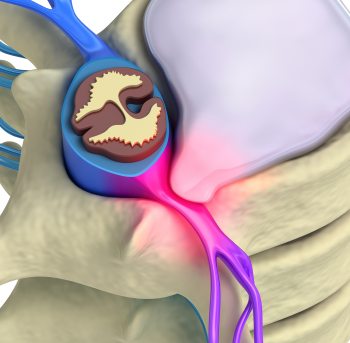
Tears or Cracks in Spinal Discs:  Small tears or cracks may develop in the outer portion of spinal discs. When this happens, the jelly-like interior may leak into these tiny tears or cracks causing them to bulge or rupture.
The development of degenerative disc disease can put pressure on the spinal cord and nerves causing pain and abnormal function.

Symptoms and Types of Degenerative Disc Disease

The symptoms of degenerative disc disease vary depending on the location of the spinal disc degeneration. If a spinal disc or multiple spinal discs in the neck region of the spine become degenerated, it may cause neck pain or arm pain. This is commonly referred to as Cervical Degenerative Disc Disease.
If a spinal disc or several spinal discs in the low back area of the spine become degenerated, it may cause low back pain or pain in the hips, buttocks and legs. This is commonly referred to as Lumbar Degenerative Disc Disease.
The degree of pain may also vary from numbness or tingling to intense pain that increases with movement.

Why We Will Help with Degenerative Disc Disease

The practice of chiropractic care focuses on the comprehensive health of the body’s spine and central nervous system. Our doctors of chiropractic are trained to identify and treat problems with the spine and nerves of the human body. When your spine and central nervous system are healthy and free from interference (called subluxations), you will be free from pain.
The best feature about chiropractic care is that it does not use prescription drugs or surgery to treat health care problems like degenerative disc disease. It’s safe and effective.

Find a Resolution for the Pain from Degenerative Disc Disease

Life does not have to be lived enduring the pain and discomfort of degenerative disc disease. Please give us a call at (386) 492-4881 or Schedule an Appointment today!